Professional Whitening: What Affects Your Results and How to Maximize Them
Many people in Danville, IL, are curious about what professional whitening can actually do for their smile, and more importantly, what shapes their results. Professional whitening uses dentist-supervised bleaching agents to lighten tooth color, but how well it works depends on several factors that are easy to understand once you know what to look for. This guide walks through the key variables that influence your outcome and the practical steps you can take to make your results last longer.
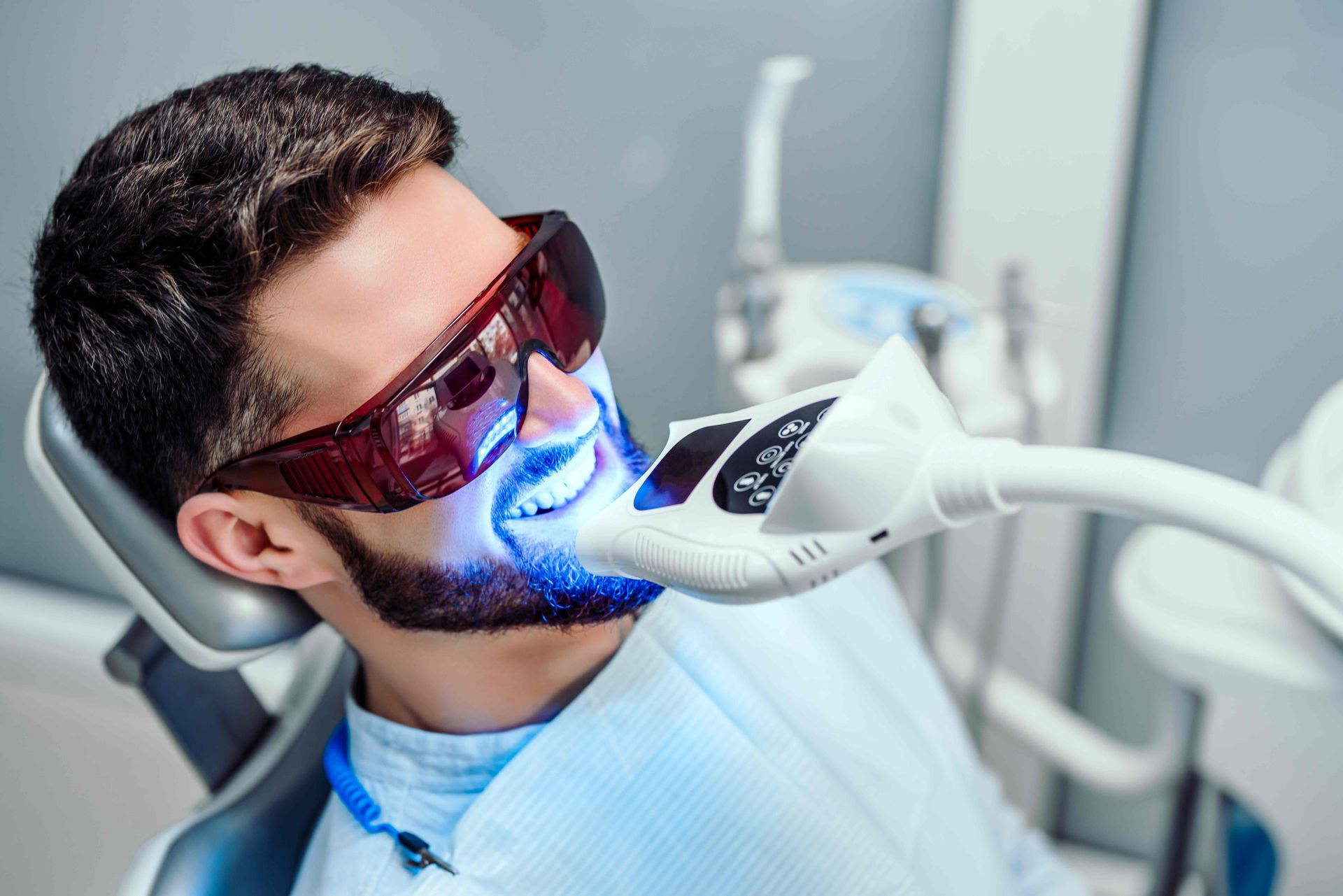
What Affects Your Professional Whitening Results
The Type of Stain on Your Teeth
Not all tooth discoloration responds the same way to whitening treatment. Stains generally fall into two categories: extrinsic and intrinsic.
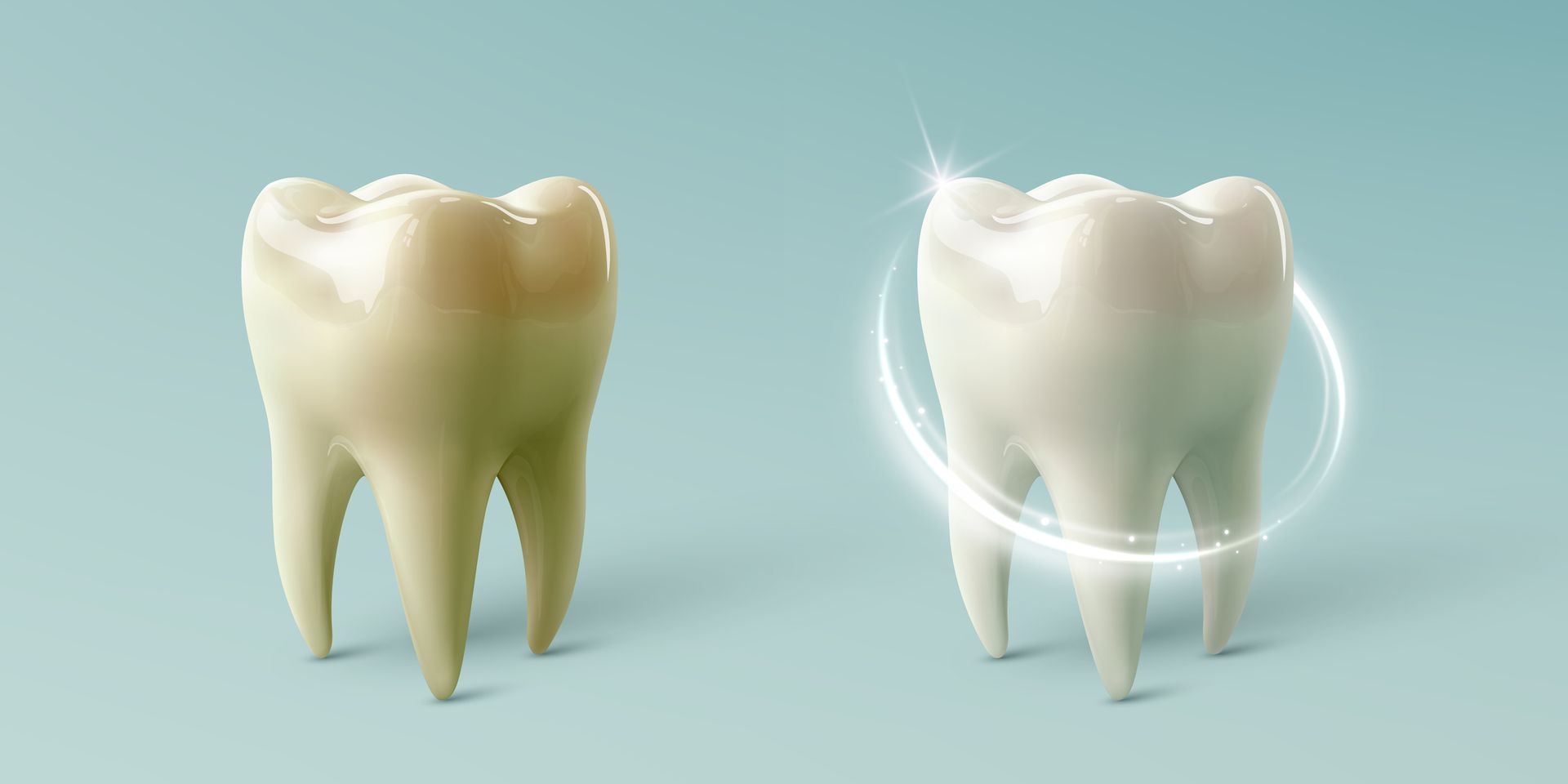
Extrinsic stains sit on the outer surface of enamel. They are often caused by food, beverages, and tobacco use. These surface-level stains typically respond well to professional whitening.
Intrinsic stains are deeper. They form inside the tooth structure itself and can result from things like certain medications, early dental development issues, or physical trauma to a tooth. These stains may be more resistant to bleaching, and in some cases, alternative cosmetic options may be a better fit.
Your Natural Tooth Color
Everyone starts with a different baseline shade. Teeth that are naturally more yellow in tone often respond more predictably to whitening. Teeth with a grayish or brownish tint may require more sessions or may not reach the same final brightness. A dental professional can assess your starting shade and give you a realistic picture of what to expect.
The Condition of Your Enamel
Enamel is the outer layer of your tooth. When it is healthy and intact, whitening agents can work more evenly across the surface. Thinner enamel, which can develop over time from acidic foods or grinding, may make teeth more sensitive during treatment. Addressing enamel health before beginning any whitening process is an important step that your dentist can help you evaluate.
Existing Dental Work
Crowns, veneers, bonding, and fillings do not respond to whitening agents the way natural enamel does. If you have dental restorations on visible teeth, they will stay their current shade while your natural teeth brighten. This may create a color mismatch that is worth discussing with your dentist before starting a dental whitening service.
Consistency and Treatment Method
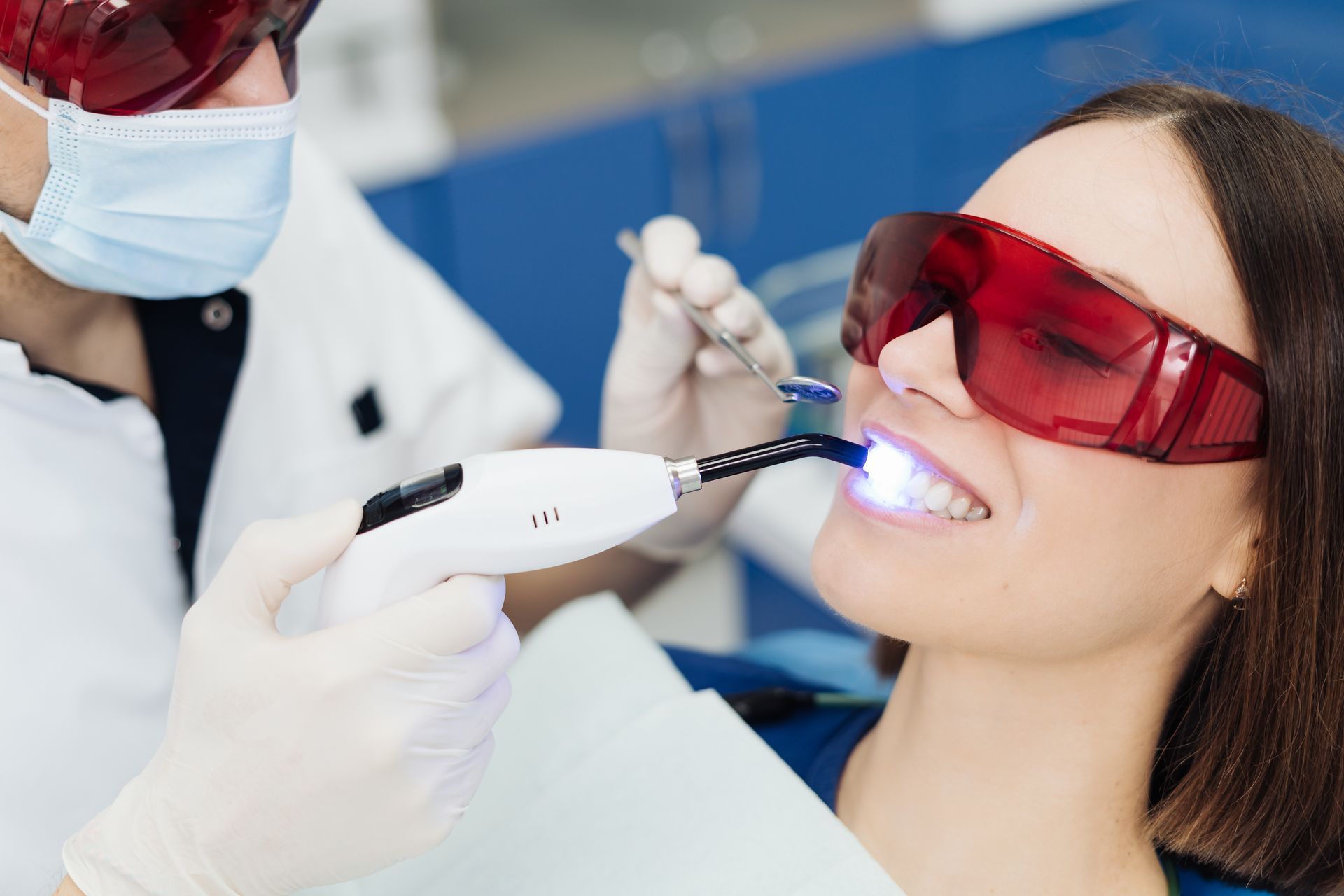
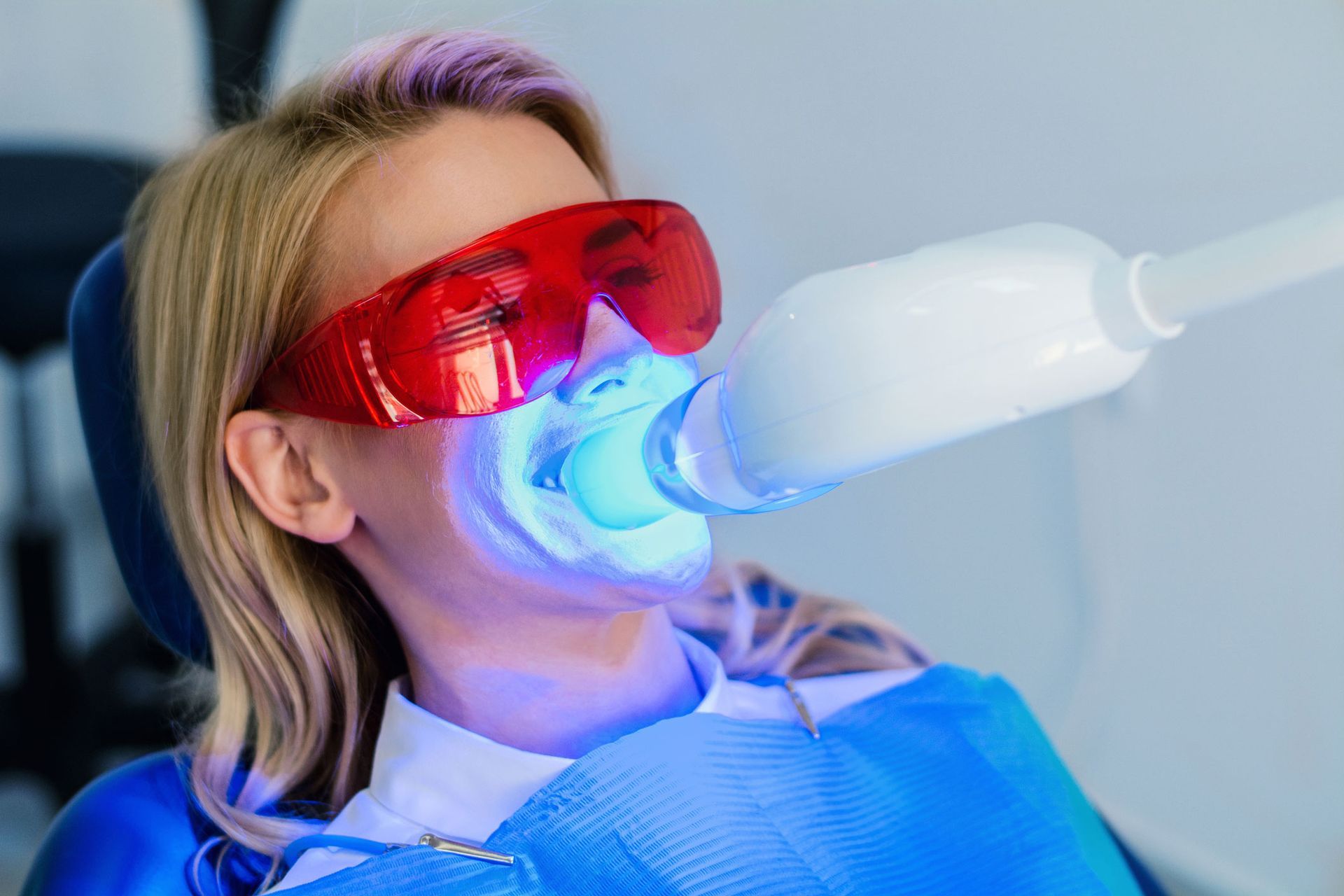
How often and how consistently you follow through with treatment matters. In-office professional whitening typically delivers faster, more noticeable results compared to unmonitored over-the-counter options. The concentration of the bleaching agent used in a clinical setting is generally higher, and the application is controlled for safety and even coverage.
How Your Habits Influence Whitening Outcomes
Where you live and how you live can both play a role in how your teeth stain over time. Residents who consume well water should be aware that certain mineral content in water may contribute to tooth discoloration over months and years. Everyday habits also matter significantly.
Beverages like coffee, tea, red wine, and dark sodas are among the most common contributors to surface staining. Tobacco use in any form is another major factor. These sources of staining do not stop working just because you had a whitening treatment; they continue to act on your teeth after the procedure.
Awareness of these habits can help you understand why results vary from person to person, even when the same treatment is used.
How to Maximize and Maintain Your Results
Follow Post-Whitening Guidelines
After a professional whitening session, your teeth can be temporarily more porous. This makes them more vulnerable to picking up color from certain foods and drinks. Dentists often recommend avoiding deeply pigmented foods and beverages for at least 24 to 48 hours following treatment. Your specific provider will give you instructions based on your situation.
Keep Up With Regular Cleanings
One of the most practical and often overlooked steps is maintaining routine dental cleanings. Professional cleanings remove surface buildup that can dull the appearance of your smile over time. Keeping up with cleanings can help your whitening results stay fresher longer.
Use Approved Maintenance Products
Some dentists may provide take-home trays or recommend dentist-approved whitening toothpastes for ongoing maintenance. These products are typically lower in concentration than in-office treatments and are meant to extend the life of your results between visits, not replace a full dental whitening service. Always confirm with your dental provider before adding any new product to your routine.
Address Sensitivity Proactively
Tooth sensitivity during or after whitening is a common experience for many patients. It typically subsides within a day or two. If sensitivity is a concern for you, your dentist may be able to adjust the treatment approach or recommend a desensitizing product beforehand. Communicating openly about your comfort level before and during treatment often leads to a better overall experience.
Manage Lifestyle Factors
Small daily choices can add up over months. Drinking through a straw can reduce how much dark liquid contacts your front teeth. Rinsing with water after consuming staining foods or drinks can also help. These small habits may seem minor, but they can meaningfully extend the time before you need a touch-up treatment.
When to Consider a Touch-Up
Results from professional whitening do not last forever. Over time, teeth naturally pick up staining from diet, aging, and daily use. Many patients find that periodic touch-up sessions help maintain their results. The timing of touch-ups varies depending on personal habits, original tooth shade, and how consistently aftercare guidelines are followed.
If you notice your shade starting to shift back, that is a good time to check in with your dental provider rather than waiting. Early touch-ups are often simpler and faster than starting from scratch.
What to Discuss With Your Dentist Before Starting
Before beginning any whitening process, a conversation with your dentist can save time and set realistic expectations. Topics worth covering include your current tooth shade, the type of staining you have, any existing restorations that could affect color matching, gum health, and sensitivity history.
Your dentist may also recommend a cleaning before whitening begins, since surface tartar and buildup can prevent the bleaching agent from reaching the enamel evenly. This preparation step can make a noticeable difference in how even and complete your results appear.
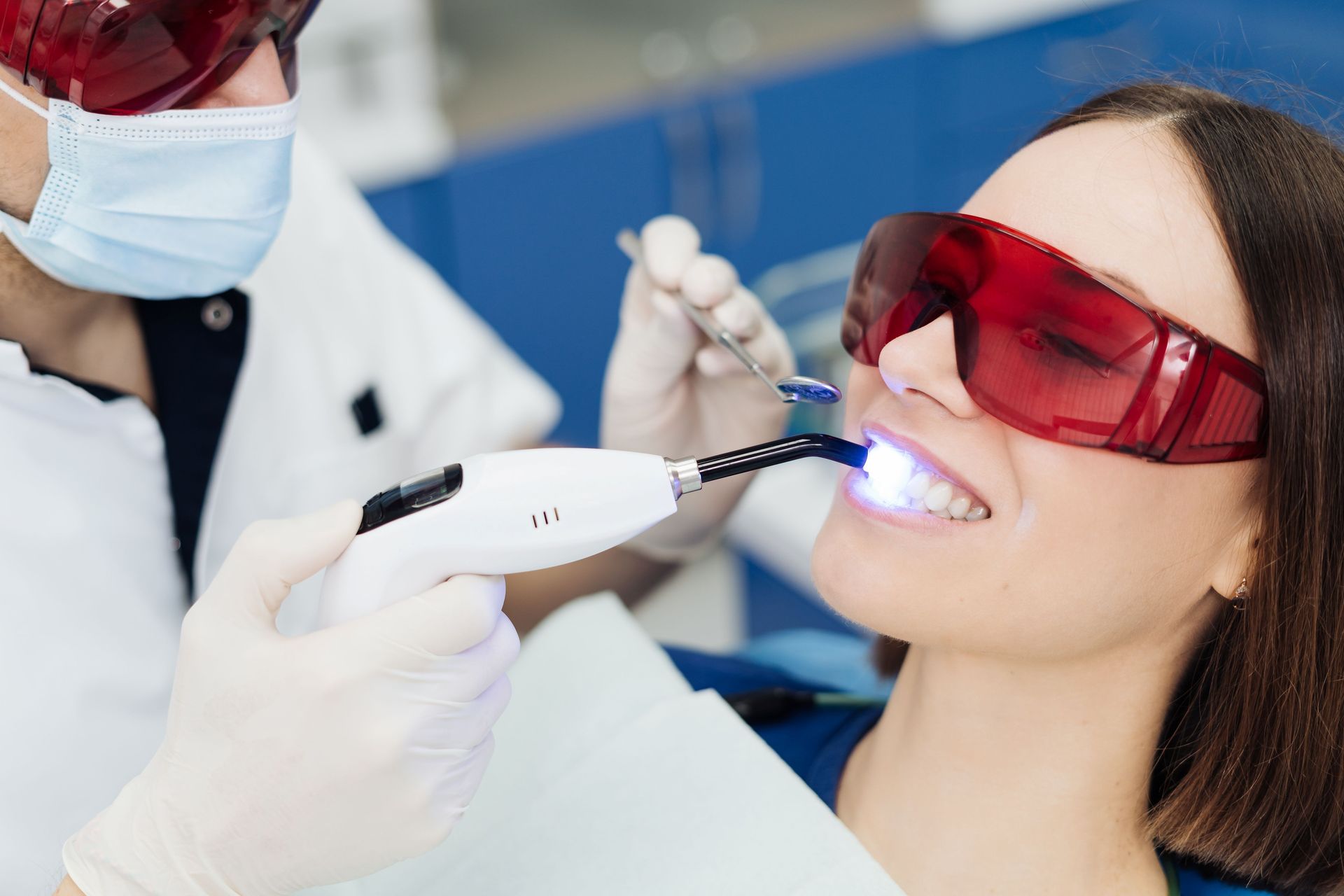
Not Sure Where to Start? Let's Talk About Your Smile
If you are considering professional whitening in Danville, IL, and want guidance specific to your smile, the team at
Randal P. Ashton, DDS, is available to help. You can learn more about the
dental whitening service offered at the practice or
reach out through the contact page to schedule a consultation.